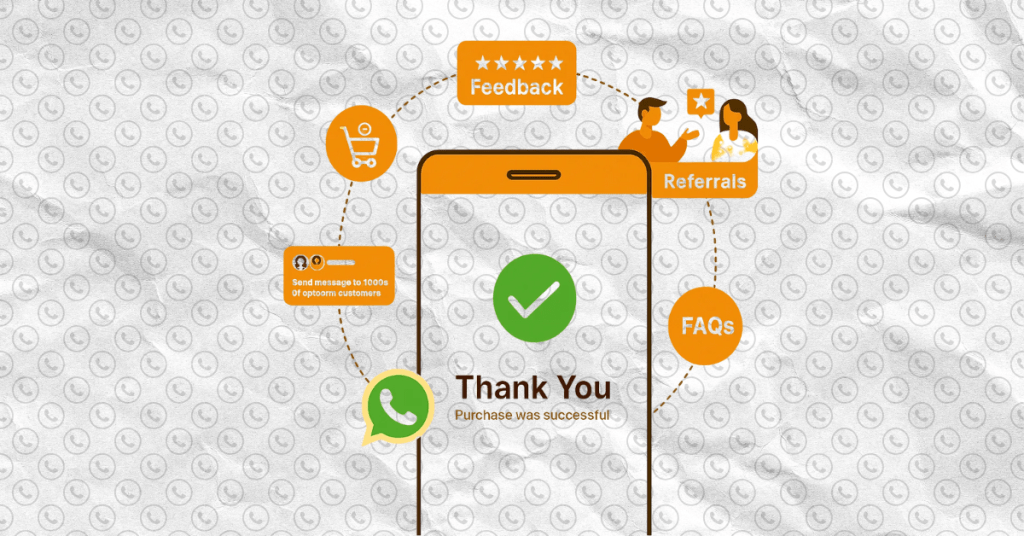
The 21st century is the era of digitalization; everyone is using online marketing, and consumers expect faster communication, customer support, and hassle-free service. This is the reason why brands are turning towards a platform that is fast and convenient, i.e., WhatsApp marketing. It is the most direct, conversational, human way of communicating with customers.
WhatsApp has expanded beyond a messaging app; it has over 2.7 billion monthly active users in the world. It is currently a complete marketing hub where businesses can communicate, sell, and support each other under the same roof. Whether it is a startup or an enterprise, WhatsApp marketing is no longer a choice; it is the future of digital communication.
Key Takeaways
- WhatsApp is now a major marketing and customer engagement channel with 2.7B+ users.
- Businesses achieve higher engagement with 95%+ open rates and faster conversions.
- Tools like catalogs, broadcasts, automation, and chatbots make marketing more efficient.
- Personalized messaging boosts lead generation, sales, and customer retention.
- WhatsApp is widely used across industries for support, updates, and promotions.
- Success requires consent-based messaging, timely communication, and valuable content.
- API helps overcome limits, scale campaigns, and integrate with CRMs.
- ROI improves through measurable metrics like opens, replies, clicks, and conversions.
- The future of WhatsApp marketing is AI-driven, automated, and hyper-personalized.
What is WhatsApp Marketing?
WhatsApp marketing involves using WhatsApp to advertise, build contacts, share updates, and provide customer care. It aids the brands in one-on-one and group communication by sending realistic and personalized messages in real-time.
Businesses will be able to engage their audience, handle leads, and customers directly through WhatsApp functions such as broadcast lists, catalogs, quick replies, and automated flows, becoming the most popular messaging application in the world.
Why WhatsApp Marketing Matters
Digital communication has shifted from public platforms to private, trusted spaces. Consumers would rather communicate with companies in the same way they do with their friends, on instant messaging as opposed to email and long forms.
That’s why WhatsApp marketing is vital:
- High engagement: WhatsApp communications have an open level of more than 95%.
- Faster conversions: Customers can make quick decisions based on instant replies and customer support.
- Personalization: Companies can make offers and conversations more personal.
In simple terms, WhatsApp integrates as much reach, relevancy, and reliability as any other marketing channel.
Key Benefits of WhatsApp Marketing for Businesses
- Direct Communication: WhatsApp allows businesses to deliver messages to customers without interruptions in social feeds or email spam.
- High Engagement Rate: Customers will respond to WhatsApp messages than to traditional marketing emails.
- Cost-Effective Marketing: WhatsApp marketing delivers superior ROI with a lower cost than paid advertising.
- Customer Trust: Authenticated business accounts build credibility and help customers feel more comfortable interacting.
- Automation & Efficiency: Chatbots and pre-built workflows make communication easier, but more personalized.
WhatsApp marketing increases brand recall, customer satisfaction, and loyalty when applied strategically, while minimizing operational costs.
WhatsApp Marketing Features & Tools
WhatsApp has greatly broadened its business tools, and this has simplified and made marketing smarter. The following are the main characteristics that will dominate WhatsApp marketing:
- WhatsApp Business App: To help small businesses organize customer communication and orders effectively.
- WhatsApp Business API: To automate, scale, and integrate WhatsApp with CRMs and chatbots, medium and large companies will need the WhatsApp Business API.
- Product Catalogs: Display your products in WhatsApp with descriptions, photos, and prices.
- Interactive Buttons: Customers can use interactive buttons to get quick replies, product pages, or links to payment.
- Automated Messages: Welcome messages, order confirmations, or follow-ups can be sent immediately.
- Broadcast Lists: Use to send updates or offers to several customers at once, while maintaining chats privately.
These tools have made WhatsApp marketing a complete cycle of communication system; from awareness to conversion.
How to Get Started with WhatsApp Marketing (Step by Step)
- Install the WhatsApp Business App or get the Business API (in case of larger organizations).
- Check Your Business Profile, including logo, description, website, and contact information.
- Create Your Contact List using opt-in forms, QR codes, or pop-ups on your websites.
- Segment Your Group according to location, tastes, or purchasing patterns.
- Write a Message Template of offers, reminders, or feedback messages.
- Automation Conversations chatbots or quick replies to save time.
- Monitor and Evaluate Performance to refine your WhatsApp marketing strategy regularly.
Once established, begin interacting with customers authentically and at the right time.
WhatsApp Marketing Strategies for Businesses
In order to optimize WhatsApp marketing, companies should embrace a combination of promotional and conversational strategies.
- Personalized Messaging: Send targeted messages using data about customers with suggestions or offers.
- Product Launch Campaigns: Build hype by making it WhatsApp-first
- Customer Retention: Reward share, referral bonuses, and updates on post-purchase care.
- Lead Generation: Add WhatsApp buttons to ads or websites to generate chat leads.
- Customer Support: Provide real-time customer support and order monitoring.
- Event Promotions: Webcasts can be used to promote a webinar, a launch, or a sales event.
The most effective WhatsApp marketing tactics involve the integration of automation and human touch, whereby all messages are personalized rather than automated.
WhatsApp Marketing Use Cases
- E-commerce: Through WhatsApp, the brands are able to send order updates, abandoned cart messages, and personalized offers.
- Healthcare: The clinics confirm appointments, prescriptions, and patient follow-up.
- Education: Institutes share course material and enrolment information immediately.
- Hospitality: Hotels are utilizing WhatsApp to perform booking, confirmation, and feedback requests.
- Retail: The retailers advertise festive discounts and offers, flash sales, and special deals directly through chat.
WhatsApp marketing is used across industries to bridge the gap between the business and customers, which is made faster, friendlier, and more effective.
Best Practices for WhatsApp Marketing
To ensure success, follow these best practices for WhatsApp marketing:
- Get customer consent before sending messages.
- Keep content conversational, not overly promotional.
- Use multimedia, images, videos, and voice notes, to engage better.
- Time your messages strategically; avoid late-night or frequent messages.
- Respond promptly. Quick replies show professionalism.
- Use analytics to understand open rates and conversions.
Building trust through value-driven messaging is the key to sustainable WhatsApp success.
WhatsApp Marketing Challenges & How to Overcome Them
Even though WhatsApp marketing is powerful, it comes with challenges:
- Limited Broadcast Reach: The 256-contact limit on broadcasts can limit scalability.
- Opt-in Compliance: It is possible to be banned from accounts for sending unsolicited messages.
- Automation Misuse: Excess use of bots may lead to less personalization.
- Measurement Gaps: Measures such as link clicks are more naturally difficult to measure.
Overcoming them, one should apply the WhatsApp Business API, have explicit opt-in policies, and combine automation with natural and human conversations.
Measuring WhatsApp Marketing ROI
Tracking success is essential to understanding how your WhatsApp marketing efforts are performing.
The essential measurements to be monitored are:
- Open Rate of the message, i.e., usually above 90 percent
- Response Rate and Time
- Click-through rate on links or buttons.
- Message to sales: Conversion rate.
- Customer Retention Rate
Combining WhatsApp data and CRM platforms, such as HubSpot or Zoho, provides more information on campaign results and ROI.
Future of WhatsApp Marketing
WhatsApp marketing is bright in the future. The platform is being transformed into a full-fledged customer engagement system with AI-based automation, integrated billing, and customized purchases.
The future is advanced analytics, more smart chatbots, and integrations with e-commerce and CRM. The following phase of WhatsApp marketing will revolve around hyper-personalization that will make each communication unique, timely, and human.
Grow Your Business Faster with Trigital Solutions
At Trigital Solutions, we assist companies in realizing the full power of WhatsApp marketing since the initial integration and automation of marketing campaigns.
Our experts make conversation programs that will unite you and your audience in real time, and messages will become valuable relationships and measurable sales.
Business launching, developing leads, and enhancing customer service, our WhatsApp marketing services are designed to grow, connect, and create a lasting impact.
Conclusion
The future of WhatsApp marketing has redefined the way business is done, differentiating speed, personalization, and trust in any business communication. It has the ability to make your customer interaction process a relational one rather than a transactional process with the help of the right strategy, tools, and creative implementation.
The message is clear: if your business isn’t on WhatsApp yet, you’re missing out on the most personal and powerful marketing channel of this decade.
Partner with Trigital Solutions and make every message count, because the future of digital engagement starts with a simple “Hi.”
FAQs
1. Why should businesses use WhatsApp for marketing?
WhatsApp should be used as marketing tool by businesses since it allows for instant communication, high response rates, and personal interaction with customers. It offers speedy responses, tailored messages, automation, and building trust, ensuring it’s one of the most effective channels to work with leads and drive conversions.
2. Is WhatsApp marketing free or paid?
WhatsApp Business API is a paid application and fees per conversation. In contrast, WhatsApp Business App provides free basic messaging. Larger businesses uses the API to automate messaging, send notifications in bulk and integrate with CRMs or chatbots.
3. What are the types of WhatsApp marketing messages?
Businesses tend to send promotional messages, confirmation of orders, carts being abandoned, order confirmation, responding to customers and offers. There may include text, photos, videos, catalogs, buttons, and interactive templates that are used to attract customers and show the buying procedure.
4. How do businesses use WhatsApp Business API for marketing?
WhatsApp Business API assists companies to gain automatic conversations, bulk notifications, chatbot integration, support at scale, and personalized campaigns. It can be combined with CRMs and other marketing solutions to deliver timely and relevant messages that can be used to increase conversions and the customer experience.
5. What is the daily message limit on WhatsApp Business API?
WhatsApp Business API has scheduled messaging capacity; as such, companies are able to transmit additional messages as they maintain quality dialogue. Limit between 1,000 to 10,000, 100,000 to 200,000 and so on with user participation and account activity.
6. How do I measure ROI from WhatsApp marketing campaigns?
Measure ROI by monitoring the rate of message openings, the rate of replies, clicks on links, conversions, income generated, repeat buying, and customer interactions. Integrate WhatsApp insights and analytics tools, along with UTM tracking, to understand how the campaign performs and the overall impact on sales and customer retention.