By the end of 2026, global e-commerce sales are projected to surpass $7.4 trillion, and that figure is only growing. With millions of online stores competing for consumer attention, the digital marketplace is no longer a playground; it’s a battleground.
Nowadays, online shoppers are smarter, faster, and frequently want. They expect fast delivery, personalized recommendations, and smooth service across every channel. In this highly demanding and competitive environment, simply having a functional website isn’t going to give you the sales.
To achieve, you need to rise above the bar, and that requires a proper strategy.
This is where well-crafted e-commerce marketing strategies make all the difference. They help you not just survive, but scale: bringing in the right traffic, nurturing leads, increasing conversions, and creating loyal, repeat buyers.
In this guide, we’ll explore what an e-commerce marketing strategy is, why it matters, and which e-commerce marketing strategies are set to dominate in 2026.
What Is an E-Commerce Marketing Strategy?
An e-commerce marketing strategy refers to a rather organized plan that can assist online businesses to bring in, transform, and retain consumers. It entails the utilization of online tools and channels to create visibility, create leads, and increase e-commerce sales,including SEO, social media, paid advertisements and so on.
It is your online store strategy: the better to find out who to target, how to contact them, and what message can make people click to make a purchase.
An effective e-commerce marketing plan is based on data, personalized, and is strategic in line with the brand objectives as well as customer demands.
Importance of E-Commerce Marketing Strategy?
Without a proper strategy, marketing efforts are often scattered and ineffective. Having a clearly defined plan ensures every dollar you spend works toward improving your customer experience, growing your brand, and increasing sales.
Here’s why a strong strategy matters:
- Consistency: Your message stays clear across platforms.
- Efficiency: You know where to invest for the highest return.
- Scalability: You can grow with confidence.
- Customer connection: You know how to keep engaging customers from the first visit to repeat purchase.
Simply put, innovative e-commerce marketing strategies give you a competitive edge in a crowded digital marketplace.
Developing an E-Commerce Marketing Strategy
Before diving into specific tactics, it’s essential to create a foundation. Here’s what goes into crafting an effective e-commerce marketing strategy:
- Define your business goals: Increase traffic? Boost conversions? Improve retention?
- Know your audience: What are their needs, habits, and shopping behavior?
- Choose your channels: Not every platform suits every brand.
- Align your messaging: Consistent voice and visuals help build brand awareness.
- Use data: Analytics should guide every decision.
Once this groundwork is set, you can layer in the actual tactics that drive results.
Top 8 E-commerce Marketing Strategies for 2026
From driving qualified traffic to converting one-time visitors into lifelong customers, the following e-commerce marketing strategies are shaping the way successful online businesses operate. Let’s dive into the top-performing tactics that are making waves this year and will likely define the future of e-commerce.
1. SEO (Search Engine Optimization)
E-commerce SEO remains critical for long-term growth. When your products show up on Google, you get free, high-intent traffic. Focus on:
- Keyword-rich product descriptions
- Fast-loading pages
- Structured data for rich snippets
- Backlinks from niche blogs and media
E-commerce SEO not only helps increase visibility but also builds trust with shoppers who value organic search results.
2. Social Media Marketing
Social platforms aren’t just for likes, they’re revenue drivers. Use platforms like Instagram, Pinterest, and TikTok to showcase products, run ads, and interact with your audience.
Use storytelling, behind-the-scenes content, and customer reviews to engage customers authentically.
3. Pay-Per-Click (PPC) Advertising
PPC helps you get immediate visibility on Google, YouTube, and social media. You can promote your latest collections, time-sensitive deals, or retarget people who visited your store but didn’t buy.
An essential part of many e-commerce marketing strategies, PPC gives measurable ROI and drives high-intent traffic fast.
4. Product Upselling and Cross-Selling
Encourage customers to buy more with relevant product recommendations.
- Upselling: Offer a better version of the same product.
- Cross-selling: Suggest complementary products.
Used right, these techniques can boost e-commerce sales strategy performance with minimal effort.
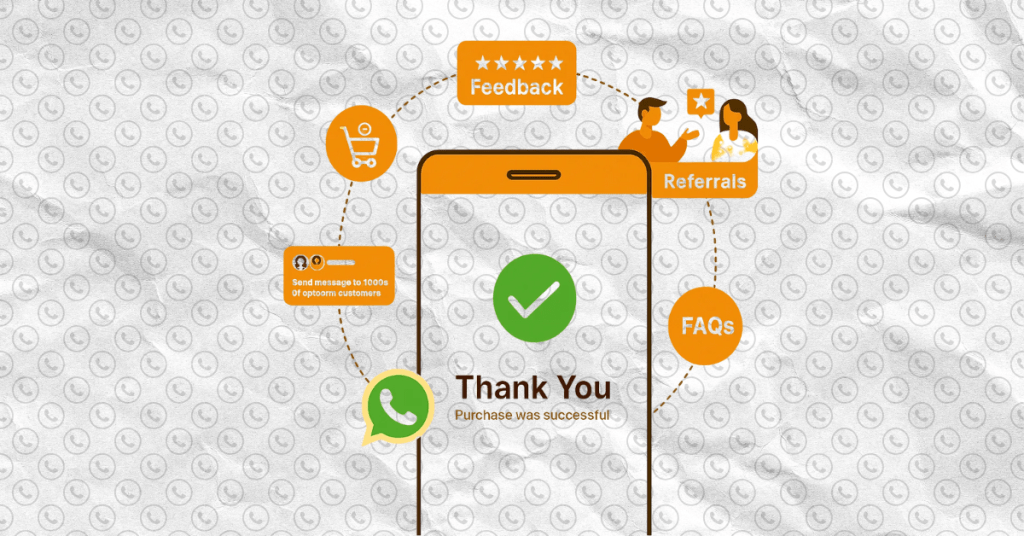
5. WhatsApp Marketing
As messaging becomes a preferred communication channel, WhatsApp marketing offers a direct way to connect.
You can use it to:
- Send personalized offers
- Provide shipping updates
- Share product recommendations
It’s fast, interactive, and improves the customer experience.
6. Content Marketing
Your e-commerce content marketing strategy helps educate, inform, and entertain your audience. Examples include blogs, buying guides, lookbooks, and how-to articles.
Content builds trust, supports SEO, and nurtures shoppers who aren’t ready to buy yet.
A strong e-commerce content marketing strategy ensures your brand becomes a valuable resource, not just another shop.
7. Video Marketing
From unboxing videos to product tutorials, video builds an emotional connection.
It boosts conversions by:
- Demonstrating product use
- Sharing customer testimonials
- Telling your brand story
Video also performs well on platforms like YouTube, Instagram Reels, and Facebook, core parts of modern e-commerce marketing strategies.
8. Omnichannel Marketing
Your customers move across devices and platforms before making a purchase; your strategy should too.
Omnichannel marketing ensures they get a consistent experience whether they’re shopping via your website, mobile app, email, or social channels.
It ties together all your efforts into a unified e-commerce marketing journey.
E-Commerce Marketing Challenges
Even with a great strategy, challenges will arise. Here are some common issues businesses face:
- High competition: Many markets are saturated.
- Ad fatigue: Overexposed audiences stop engaging.
- Rising costs: PPC and social ad prices are increasing.
- Platform dependency: Relying on one channel can hurt if algorithms change.
- Customer retention: It’s harder to keep buyers loyal without clear value.
Understanding these challenges helps you build resilient e-commerce marketing strategies that adapt as the landscape evolves.
Your E-Commerce Marketing Plan Needs Precision
Successful brands don’t just experiment, they execute with clarity, direction, and proven strategy.
Custom e-commerce marketing strategies that start with your business goals and work backwards from the outcome you want, whether that’s scaling revenue, expanding reach, or increasing customer lifetime value.
Here’s how businesses like yours build winning campaigns:
Strategic Goal Alignment
We begin with your business KPIs, not vanity metrics. Do you want to grow revenue, reduce CAC, improve retention, or push seasonal sales? We reverse-engineer your plan to get there.
Audience Mapping That Converts
Using deep behavioral insights, purchase history, and demographic data, we define exactly who your ideal customers are and how to reach them where they’re most active.
Tailored Channel Mix
Not every brand needs every tactic. We recommend the right balance of e-commerce SEO, PPC, content marketing, or influencer marketing for e-commerce based on what delivers maximum ROI for your product category.
Smart Budget Allocation
We don’t just “spend”, we invest. Budgets are allocated across high-performing platforms and continually adjusted based on real-time data and performance.
Real-Time Execution & Reporting
Our team handles the execution, from ad creatives and landing page optimization to multichannel rollout, with live dashboards and weekly reviews to keep you informed.
Continuous Optimization Cycles
We implement regular review checkpoints (weekly, monthly, quarterly) to identify what’s working, what’s underperforming, and how to scale. Agile. Adaptive. Revenue-focused.
Conclusion
The digital market is more competitive than ever, but that also means opportunity is everywhere. With the right e-commerce marketing strategies, you can break through the noise, attract loyal customers, and scale your business confidently.
From e-commerce SEO and content creation to influencer marketing for e-commerce and omnichannel campaigns, your toolbox is complete; what matters is how you use it.
Partner with trusted e-commerce marketing agencies if needed, focus on engaging customers authentically, and always keep your strategy aligned with your audience’s needs.
In 2026 and beyond, success in e-commerce won’t come from random tactics; it’ll come from a clear, consistent, and customer-first strategy.
Frequently Asked Questions (FAQs)
What are e-commerce marketing strategies?
E-commerce marketing strategies are structured plans designed to drive traffic, conversions, and sales for online stores. These include tactics like SEO, paid ads, influencer campaigns, and email marketing, each tailored to attract ideal customers and maximize return on investment through digital channels.
Which strategy works best for small vs large stores?
Small stores often benefit from targeted tactics like influencer marketing, WhatsApp marketing, and content-led SEO. Larger brands tend to combine omni-channel strategies, PPC, affiliate networks, and advanced data analytics for scalable growth, higher reach, and efficient budget deployment across broader customer segments.
How much budget is needed for an e-commerce marketing strategy?
Budgets vary by goal, competition, and market. A small store may start with ₹50K–₹1L/month across channels, while larger businesses might invest ₹5L–₹10L+ monthly. What matters most is performance tracking and optimizing spend for maximum ROI, not just the size of the budget.
Is influencer marketing effective for e-commerce retailers?
Yes, influencer marketing for e-commerce builds trust and drives high-converting traffic, especially for niche and lifestyle products. Micro-influencers deliver strong engagement at a lower cost, making it a smart strategy for both emerging brands and larger retailers launching new collections.
How to measure the success of e-commerce marketing strategies?
Track metrics tied to business goals, like ROAS, cost per acquisition, conversion rate, average order value, and lifetime customer value. Use analytics platforms, heatmaps, and performance dashboards to evaluate every campaign. The key is real-time optimization based on actionable, revenue-linked data.